
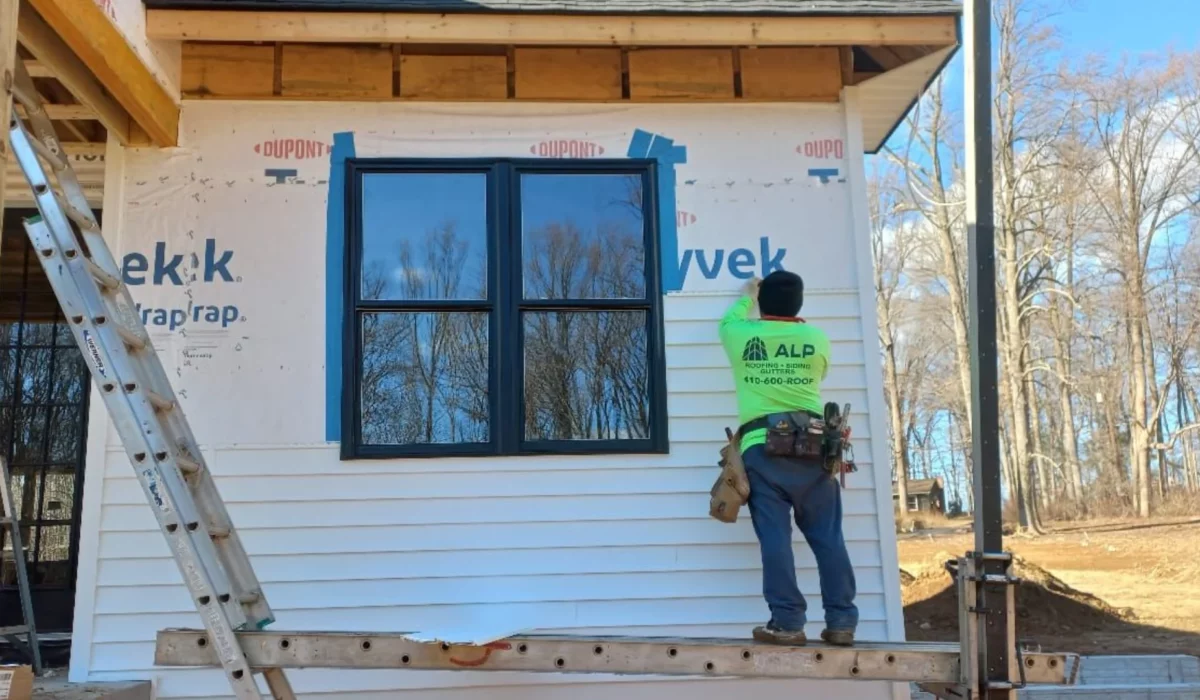
Understanding the Importance of the Right Siding
Maryland’s weather can be unpredictable. Homeowners face humid summers, steady rainfall, snowy winters, and wide temperature swings. All of these conditions can take a toll on a home’s exterior, especially if the siding isn’t built to handle it.
At ALP Roofing, we’ve seen what Maryland’s weather can do to siding that isn’t designed for it. Cracked panels, warping, mold growth, and water damage are all common issues that start small and grow worse over time. Choosing the right home siding option can protect your property and give you lasting confidence that your home is ready for every season.
This guide breaks down the best siding materials for Maryland homes, how they perform in local weather, and what homeowners should consider when it’s time for a replacement or upgrade.
Factors to Consider for Maryland Weather
How Climate Affects Siding
Maryland’s mix of humidity, rain, and winter storms can take a toll on a home’s exterior. Moisture and temperature swings cause materials to expand and contract, leading to cracks, leaks, or mold.
Because of these conditions, homeowners should choose home siding options that resist moisture and stay durable year-round. Fiber cement, vinyl, and brick perform especially well in Maryland’s changing climate.
Durability and Maintenance
Different siding materials react differently to weather. Some need regular maintenance, while others stay strong with little attention.
- Vinyl siding typically lasts between 20 and 40 years with basic cleaning.
- Fiber cement siding can last more than 50 years when installed and maintained properly.
- Brick siding often holds up for a century or longer.
Vinyl requires minimal care; usually just a wash with mild soap and water once or twice a year. Fiber cement needs occasional inspections and re-caulking around joints. Brick siding might need mortar touch-ups every few decades.
Regular maintenance isn’t just about appearance. It’s about spotting small cracks or gaps before they allow water to penetrate. Early detection keeps repair costs down and extends the life of your siding.
Energy Efficiency
Siding contributes to your home’s comfort. Insulated siding adds a layer of thermal protection that helps maintain consistent indoor temperatures.
During Maryland winters, insulated vinyl or stucco siding can help keep warm air inside and cold air out. In the summer, these same materials reflect heat and help reduce cooling costs. While the upfront cost of insulated siding is higher, the long-term savings on energy bills make it worthwhile for many homeowners.
Vinyl Siding: Reliable and Affordable
Vinyl siding remains one of the most common home siding options for Maryland homes. It’s known for being affordable, easy to clean, and available in a wide range of colors and styles.
Benefits of Vinyl Siding
Vinyl siding is made from durable PVC that resists moisture and insect damage. It’s lightweight and installs quickly, which helps keep labor costs lower. For Maryland homeowners, vinyl performs well in both humid summers and cold winters, though it does best when professionally installed.
Maintenance is simple. A soft wash with soap and water keeps panels looking clean. Many manufacturers now offer insulated versions that help with energy efficiency by adding a foam backing layer behind each panel.
Vinyl siding can also be manufactured to mimic the look of wood grain, shakes, or shingles, giving homeowners flexibility in design without high maintenance.
Drawbacks of Vinyl Siding
While vinyl siding is durable, it isn’t as strong as other materials. Prolonged exposure to extreme temperatures can cause it to crack or warp. Over the years, colors may fade slightly from sunlight.
If a panel becomes damaged, repairs often require replacing the entire section to maintain a seamless appearance. Vinyl also has a shorter lifespan compared to fiber cement or brick, though with good maintenance it can still serve homeowners well for decades.
Fiber Cement Siding: Built for Harsh Weather
Fiber cement siding is a top contender for Maryland homes because of its strength and resistance to humidity. Made from cement, sand, and cellulose fibers, it provides the look of natural wood without the high maintenance.
Why Fiber Cement Performs So Well
Fiber cement siding resists rot, mold, and insect damage. It doesn’t warp or swell in humid conditions, making it a dependable choice for coastal and inland Maryland areas alike. This material also performs well during winter, standing strong against snow, ice, and fluctuating temperatures.
Homeowners can choose from a wide selection of colors and textures—smooth finishes, wood-like planks, or stucco-style panels. Its versatility allows it to fit nearly any home design.
Professional Installation and Maintenance
Fiber cement siding is best handled by trained installers since it’s heavy and requires specialized tools. Proper installation helps prevent gaps where moisture can get in and keeps warranties valid.
After installation, maintenance is minimal. It’s usually just an occasional wash and inspection of caulking around joints. Though it costs more upfront than vinyl, its strength and long lifespan make it a worthwhile investment for Maryland homeowners.
Brick and Stone Veneer: Timeless and Tough
For homeowners who value strength and traditional design, brick and stone veneer offer unmatched durability. These materials have been used for centuries and continue to be among the most dependable home siding options.
Benefits of Brick and Stone Veneer
Brick siding can last more than 100 years with minimal upkeep. It naturally resists fire, insects, and moisture damage. Stone veneer, a lighter and more affordable alternative to full stone, offers similar protection with greater flexibility in style and color.
Both materials provide natural insulation. During cold Maryland winters, they help retain heat, and during hot summers, they keep homes cooler. Brick and stone also stand up well to rain, snow, and humidity.
Considerations Before Choosing Brick or Stone
The main drawback is cost. Brick and stone veneer are labor-intensive to install and require a professional contractor experienced with masonry. Mortar joints must be inspected periodically to prevent small cracks from letting in water, though maintenance needs are still low compared to other materials.
Homeowners who choose brick or stone often see it as a long-term investment that adds value and strength to their property.
Other Home Siding Options Worth Considering
While vinyl, fiber cement, and brick are the most popular siding materials in Maryland, several other options are gaining attention:
- Metal Siding: Aluminum and steel siding resist rot and insect damage. They’re lightweight and work well in coastal areas prone to salt and moisture.
- Stucco Siding: Although more common in warmer climates, stucco offers solid insulation and can perform well in Maryland when installed with the right moisture barrier.
- Engineered Wood Siding: A newer option that combines the look of real wood with improved resistance to moisture and pests. It’s a good middle ground between vinyl and fiber cement.
Each of these materials has specific benefits depending on your home’s exposure and your long-term goals. The best choice depends on your home’s structure, the surrounding environment, and your maintenance preferences.
How to Choose from Different Home Siding Options
Selecting between different home siding options depends on several factors:
- Your home’s location and exposure to weather
- Your budget for installation and maintenance
- How long you plan to stay in your home
- The architectural style of your property
Working with a professional contractor is the best way to find the right fit. Experts can assess your current siding, look for moisture or structural issues, and recommend the best materials for your situation.
Why Maryland Homeowners Trust ALP Roofing
At ALP Roofing, we’re proud to be a family-owned company serving Baltimore and Harford counties. Our team brings years of experience installing and repairing siding that stands up to Maryland weather.
We work with trusted materials like vinyl, fiber cement, and brick veneer, using modern tools for accurate inspections and precise installation. Homeowners count on us for honest advice, reliable service, and results that last.
Upgrade Your Home with the Right Siding This Fall
Fall is the perfect time to prepare your home for winter. The right home siding option keeps out moisture, resists wind, and helps protect against temperature changes.
Schedule your professional siding inspection or installation with ALP Roofing today. Our experienced team will help you choose materials that fit your home, budget, and goals so that you’re ready for the season ahead.
Frequently Asked Questions
What are the best engineered siding options?
Engineered wood siding and fiber cement siding are both strong, weather-resistant choices for Maryland homes. Each offers the appearance of real wood with better protection against moisture, pests, and temperature changes.
What are the best siding options after stucco remediation?
After stucco remediation, vinyl and fiber cement siding are reliable choices. Both materials handle Maryland’s humidity and seasonal shifts well, offering long-term durability and minimal maintenance when professionally installed.
What is the cheapest siding option?
Vinyl siding is generally the most affordable option. It’s easy to maintain, widely available, and holds up well in Maryland’s mix of rain, humidity, and cold winters.
What are siding options for a house?
The most common home siding options include vinyl, fiber cement, brick, stone veneer, stucco, and metal siding. Each has different advantages depending on your budget, preferred look, and how much upkeep you want.
How expensive are home siding options?
Costs depend on the material and installation. Vinyl siding is the most budget-friendly, while fiber cement, brick, and stone veneer cost more upfront but last longer and require less frequent maintenance.

Brenden Ring is the dedicated owner of ALP Roofing, a family-owned and operated company specializing in roofing, siding, and gutters in Fallston, Maryland. With a commitment to excellence and customer satisfaction, Brenden leads his team in delivering top-notch services to homeowners in Harford and Baltimore counties.
Beyond his professional endeavors, Brenden is an avid runner. He cherishes quality time with his wife and three children, and has a keen interest in both classic and modern cars. Embracing a healthy, active lifestyle, Brenden exemplifies dedication both in his personal passions and professional commitments.