
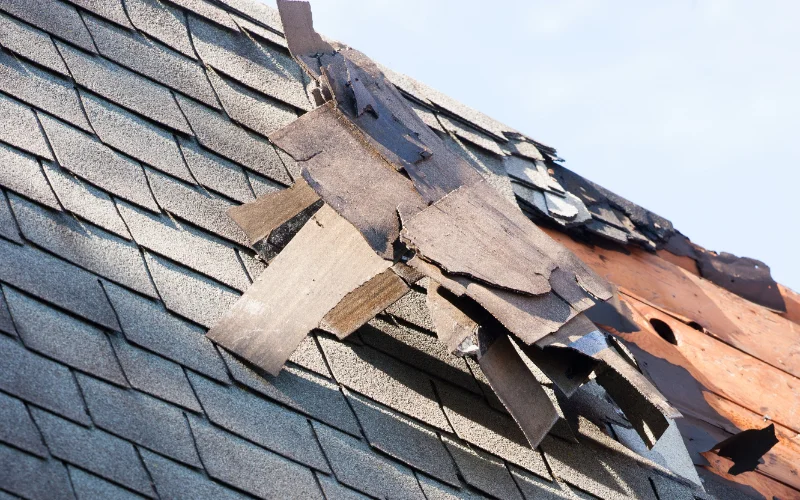
Most homeowners don’t think much about fascia boards until something looks off. Maybe you notice peeling paint along the roof edge. Maybe there’s a dark stain forming under the gutters. Or worse, the wood feels soft when touched.
Stained or rotting fascia boards are not just a cosmetic issue. They are often one of the first visible warning signs that water is not being managed properly along your roof edge. And in areas like Bel Air and Fallston, MD, where spring rain, winter freeze-thaw cycles, and heavy debris buildup are common, this issue shows up more often than homeowners expect.
If you’ve noticed discoloration or deterioration along your roofline, your home may be trying to tell you something important.
What Are Fascia Boards and Why Do They Matter?
What role do fascia boards play in your roof system?
Fascia boards are the horizontal boards that run along the edge of your roof, directly behind your gutters. They serve both a structural and protective purpose. Fascia supports the gutter system and helps seal the roof edge, preventing water from entering behind it.
When functioning properly, fascia boards help direct water into the gutters and away from your home. But when they become compromised, whether from moisture, poor drainage, or age, the entire roof edge system becomes vulnerable.
Why Do Fascia Boards Become Stained or Rot?
What causes fascia damage in Maryland homes?
In most cases, fascia damage is caused by prolonged exposure to moisture. This often happens when water is not draining properly through the gutter system.
Clogged gutters are one of the leading causes. When gutters fill with debris like pollen, leaves, and sediment, water backs up and begins to overflow, or worse, spill behind the gutter. This allows water to soak into the fascia board repeatedly.
Improper gutter pitch can also contribute. If water is not directed toward the downspouts, it can sit in the gutter system and eventually seep into the wood behind it.
Winter plays a role as well. Ice buildup along the roof edge can trap moisture against the fascia. When temperatures rise, that moisture seeps in, accelerating deterioration.
What Do Stains on Fascia Boards Mean?
Are discoloration and streaking early warning signs?
Yes, staining is often the first visible clue that something is wrong. Brown, yellow, or even green streaks on fascia boards typically indicate repeated water exposure.
These stains may appear below gutters, at corners, or near downspouts. While they may seem minor at first, they usually point to ongoing drainage issues that can worsen over time.
Ignoring stains can lead to deeper damage, including wood rot and structural weakening.
How to Tell If Fascia Boards Are Rotting
What signs should homeowners look for?
Rotting fascia boards often go beyond surface discoloration. The wood may feel soft or spongy when pressed. Paint may bubble or peel, and in more advanced cases, sections of the fascia may begin to crack or break apart.
You might also notice your gutters pulling away from the roofline. This happens because the fascia, which supports the gutter system, can no longer hold its weight.
In some homes, pests are attracted to rotting wood, creating additional problems along the roof edge.
Why Fascia Damage Shouldn’t Be Ignored
Can fascia problems lead to bigger issues?
Yes. Fascia boards are part of a larger system that protects your home from water intrusion. When they fail, water can begin to enter areas it shouldn’t.
Moisture can spread into soffits, roof decking, and even interior walls. Over time, this can lead to mold growth, insulation damage, and costly repairs.
What starts as a small stained area can eventually affect the structural integrity of your roof edge.
What Causes Water to Get Behind Gutters?
Why does water spill where it shouldn’t?
Many homeowners assume that if gutters are installed, water will automatically drain properly. In reality, several issues can cause water to bypass the system.
Clogged downspouts are a common culprit. Even if gutters appear clean, a blockage in the downspout can cause water to back up and overflow.
Loose or improperly installed gutters can also allow water to run behind them instead of into them. Over time, this repeated exposure damages the fascia.
Sometimes, the issue comes down to alignment. Gutters that are not pitched correctly will not direct water efficiently, leading to pooling and overflow.
How to Prevent Fascia Board Damage
What steps can homeowners take?
Preventing fascia damage starts with maintaining proper drainage. Regular gutter cleaning, especially in the spring and fall, helps prevent debris buildup.
It is also important to ensure downspouts are clear and directing water away from the home. Extensions may be needed to carry water further from the foundation.
Checking gutter pitch and attachment points can help ensure water flows as intended. If you notice consistent overflow or staining in the same area, it may be time for a professional inspection.
How a Professional Inspection Helps
What does a roof edge inspection involve?
A professional inspection looks at more than just visible damage. We evaluate the entire roof edge system, including gutters, fascia, soffits, and drainage flow.
Using detailed photos or drone assessments, we can identify areas where water is entering or pooling. This allows us to recommend targeted repairs that address the root cause, not just the symptoms.
In many cases, early intervention can prevent the need for more extensive repairs later.
Residential Roof and Gutter Services in Fallston, MD
Schedule a Roof and Gutter Inspection with ALP Roofing
Stained or rotting fascia boards are often a sign that your roof edge system is not functioning properly. At ALP Roofing, we provide professional residential roofing and gutter services designed to protect homes in Fallston, MD and surrounding areas. Whether you are dealing with fascia damage, gutter issues, or signs of water intrusion, our team is here to help you understand what is happening and how to fix it the right way. Learn more about our services at or contact us directly to schedule an inspection. Addressing fascia issues early can help prevent bigger problems down the line.
