
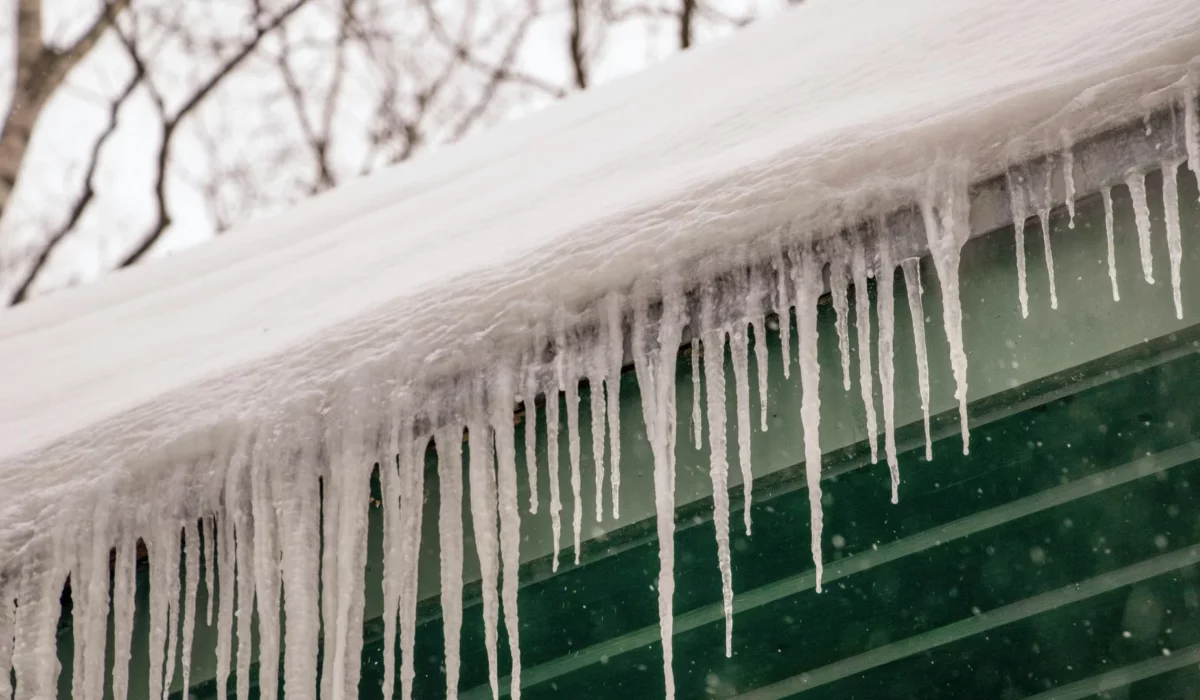
Maryland winters bring more than just cold air. Snow, ice, and strong windstorms can leave behind serious roof damage, sometimes without homeowners even realizing it. From loose shingles to hidden leaks, winter weather takes a toll. If your home has been through a recent storm or heavy snowfall, it may be time to consider a professional inspection and, if needed, storm damage roof repair.
At ALP Roofing, we’ve helped homeowners throughout Maryland deal with storm-related roofing issues for years. In this guide, we break down how winter weather affects your roof, what signs to look out for, and what to expect from the repair process.
How Winter Weather Damages Your Roof
1. Heavy Snow Accumulation
Snow may look harmless, but when it builds up on your roof, it adds thousands of pounds of pressure. Older or already weakened roofs are especially vulnerable to sagging or cracking under this extra weight. If snow sits for too long, it can also melt and refreeze, contributing to water infiltration.
2. Ice Dams
Ice dams form when warm air inside the attic melts the bottom layer of snow, which then refreezes near the roof’s edge. This creates a block of ice that traps water on the roof. Over time, this water can seep under shingles and leak into your home.
3. Wind and Hail Damage
Maryland sees its share of winter windstorms. Strong gusts can lift shingles, damage flashing, or rip off ridge caps. Hail, though less common in the cold season, can still occur and leave behind dents, bruised shingles, and granule loss, reducing a roof’s ability to protect your home.
What to Watch for After a Storm
Some roof damage is obvious, like missing shingles, fallen tree limbs, or water dripping from the ceiling. But many problems hide in plain sight. After a storm, look out for:
- Discolored ceiling patches or walls
- Ice building up along gutters
- Peeling paint near rooflines
- Visible granules in gutters or downspouts
- Warped or sagging sections of the roof
If you’re unsure, a professional inspection is always a smart next step. At ALP Roofing, we use drone technology for a safe and accurate assessment, even in hard-to-reach areas. This gives homeowners a clear picture of what’s going on up there without having to climb a ladder.
The Importance of Timely Storm Damage Roof Repair
Delaying roof repairs after a storm can turn a small issue into a bigger, more expensive one. Water that slips beneath shingles can soak insulation, damage drywall, and lead to mold growth. Waiting until spring might seem easier, but Maryland winters can bring several rounds of storms that increase the chances of additional damage.
Quick action protects not just your roof but your entire home structure. It also makes the insurance process easier since most policies require damage to be reported within a specific timeframe.
What to Expect During a Storm Damage Roof Repair
Inspection and Documentation
Our first step is always a full inspection. We check for shingle damage, soft decking, compromised flashing, and signs of water intrusion. Our team documents everything thoroughly, including photos, so you have what you need if you plan to file an insurance claim.
We are also experienced in working directly with insurance adjusters. In many cases, we can meet the inspector on-site or submit our own findings, depending on your policy.
Temporary Protection if Needed
If your roof has active leaks or exposed areas, we’ll provide emergency tarping to protect your home from further damage. This temporary solution holds things over until weather allows for safe repair.
Scheduling Storm Damage Roof Repair
Once the scope is confirmed, we walk you through the recommended repairs. This could involve shingle replacement, re-flashing valleys or chimneys, patching decking, or replacing entire sections depending on the damage. We explain what’s involved and how long it will take so you’re never left guessing.
Clean-Up and Final Walkthrough
After repairs are complete, we make sure your property is clean. We remove debris, stray nails, and old materials. Our final walkthrough checks every detail and gives you the opportunity to ask questions or request photos of the work done.
How Maryland’s Weather Creates Unique Roofing Challenges
Homes in Harford County, Baltimore County, and surrounding areas face a mix of seasonal conditions. Humid summers, sudden temperature swings, coastal storms, and freezing winters all contribute to roofing wear over time.
That’s why it’s important to work with local contractors who understand the area’s weather patterns and how they impact your roof. ALP Roofing is based here in Maryland, and we’ve built our reputation on helping local homeowners prepare for and recover from all kinds of weather.
Is Storm Damage Roof Repair Covered by Insurance?
In many cases, yes. Storm damage is considered a covered event under most homeowners insurance policies. That includes hail, wind, falling trees, and ice-related damage.
But every policy is different. Some may have exclusions or require that claims be filed within a certain window after the storm, often six to twelve months. That’s why we recommend contacting your insurer promptly after discovering roof damage.
We’re happy to assist in the process, from documenting the issue to coordinating with the claims adjuster. Our goal is to make storm damage roof repair less stressful and more manageable.
Preventing Future Damage
While you can’t prevent every storm, there are steps you can take to reduce the chances of damage in the future:
- Keep gutters clear before winter begins
- Trim back overhanging branches
- Schedule seasonal roof inspections
- Address small repairs before they grow
If you’re unsure about your roof’s condition heading into the colder months, ALP Roofing offers seasonal checkups to catch issues early.
Talk to Maryland’s Storm Damage Roof Repair Experts Today
ALP Roofing is here to help you stay ahead of winter weather. If your home has been hit by snow, ice, or a strong storm, our experienced team is ready to assess the damage and recommend the right repairs. We offer detailed inspections, photo documentation, and trusted communication from start to finish.
Reach out today to schedule a storm damage inspection and let us help you protect your home before the next storm hits.
Storm Damage Roof Repair: Frequently Asked Questions
How do I know if my roof has storm damage?
Look for missing or loose shingles, water spots on ceilings, granules in gutters, or sagging rooflines. If you’re not sure, schedule a professional inspection.
Is storm damage covered by homeowners’ insurance?
Most policies cover storm-related events like hail, wind, and fallen trees. Check your specific policy and report damage quickly.
Can I wait until spring to fix winter roof damage?
Delaying repairs can lead to worse issues like leaks or mold. Temporary solutions can help, but full repairs should not wait too long.
Do I need to be home for a roof inspection or repair?
Not always. ALP Roofing uses drones for accurate inspections and provides photo documentation so you can stay informed from wherever you are.

Brenden Ring is the dedicated owner of ALP Roofing, a family-owned and operated company specializing in roofing, siding, and gutters in Fallston, Maryland. With a commitment to excellence and customer satisfaction, Brenden leads his team in delivering top-notch services to homeowners in Harford and Baltimore counties.
Beyond his professional endeavors, Brenden is an avid runner. He cherishes quality time with his wife and three children, and has a keen interest in both classic and modern cars. Embracing a healthy, active lifestyle, Brenden exemplifies dedication both in his personal passions and professional commitments.