
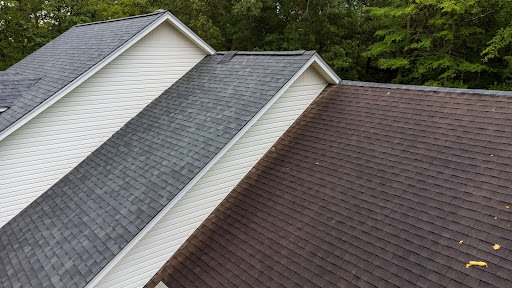
Winter in Maryland has a way of exposing roof problems that stayed hidden the rest of the year. One of the most frustrating and common issues homeowners experience is shingles becoming brittle and blowing off during winter windstorms. It often feels sudden. Your roof looked fine in the fall, then after one cold, windy night, you find shingle pieces in the yard or notice bare spots along the roofline.
From our experience serving homeowners across Fallston and the surrounding areas, this is rarely a random event. Winter winds combined with freezing temperatures create the perfect conditions for shingle failure. Understanding why this happens can help you spot warning signs early and protect your home from bigger problems.
Why Do Shingles Become Brittle in Winter?
How cold temperatures affect roofing shingles
Asphalt shingles are designed to flex and seal, but cold weather changes their behavior. When temperatures drop, shingles lose flexibility and become rigid. This brittleness makes them far more vulnerable to damage, especially during high winds.
In Maryland, winter often brings sharp temperature swings. Shingles may warm slightly during the day and freeze hard overnight. This repeated freeze-thaw cycle accelerates aging, weakens adhesive seals, and reduces the shingle’s ability to stay bonded to the roof surface.
Why Are Winter Winds So Hard on Roofs?
What makes winter wind damage different from summer storms?
Winter winds tend to be drier, colder, and more persistent than summer gusts. When brittle shingles are hit by strong winds, especially from changing directions, they can crack, lift, or tear away entirely.
Roof edges, ridges, and corners take the brunt of this force. If shingles were already slightly lifted, improperly sealed, or nearing the end of their lifespan, winter winds can finish the job. That is why homeowners often notice damage after a cold front rather than a major storm.
Are Older Roofs More Likely to Lose Shingles in Winter?
Does roof age increase the risk of shingle blow-off?
Yes. As shingles age, they naturally lose granules and flexibility. By the time winter arrives, older shingles are often already compromised. Cold temperatures simply expose what was already weakening.
That said, even newer roofs can experience winter shingle loss if installation issues are present. Improper nailing, inadequate sealing, or poor ventilation can all contribute to shingles failing under winter conditions.
What Are the Warning Signs Before Shingles Blow Off?
How can homeowners spot winter roof problems early?
Many homeowners miss early signs because they are subtle. Lifted shingle edges, uneven roof lines, or small gaps near ridges can indicate trouble. After a windy winter day, it is smart to check the yard and gutters for granules or shingle fragments.
Inside the home, new drafts, cold spots, or ceiling stains near exterior walls may indicate that shingles have already been compromised. Winter roof issues often reveal themselves indirectly before becoming obvious.
What Happens When Shingles Blow Off?
Why missing shingles are a serious winter issue
When shingles blow off, the protective layers beneath are exposed to snow, ice, and freezing rain. Water can penetrate underlayment and travel along the roof deck, leading to leaks that may not show up until snow melts.
Winter leaks are especially damaging because water can refreeze inside the roof system, expanding gaps and worsening the damage. What starts as a few missing shingles can quickly turn into insulation damage, wood rot, or interior water stains.
Can Ice and Snow Make Wind Damage Worse?
How winter conditions compound roof problems
Snow and ice add weight to the roof and can stress already weakened shingles. Ice dams near the roof edge can trap water, forcing it under shingles that have lifted in the wind. The combination of brittle materials, strong winds, and moisture creates a perfect storm for roof failure.
This is why winter roof issues often escalate quickly. A shingle that lifts slightly in December may lead to visible leaks by February if conditions persist.
Is It Safe to Ignore Missing Shingles Until Spring?
Why waiting can cost more in the long run
Many homeowners hope to wait out winter and deal with roof issues in warmer weather. Unfortunately, missing or damaged shingles rarely stay a small problem through winter. Each freeze-thaw cycle allows more moisture intrusion, and every windy day increases the risk of further damage.
Temporary fixes are not always effective in cold weather, and ignoring the issue can lead to higher repair costs later. Addressing shingle damage as soon as it is noticed helps protect the rest of the roofing system.
How Can a Professional Inspection Help?
What a winter roof inspection looks for
A professional roof inspection focuses on vulnerable areas such as edges, ridges, valleys, and flashing. We look for signs of brittle shingles, lifted tabs, exposed nail heads, and areas where wind damage is likely to spread.
In winter, inspections often include photo documentation or drone assessments to safely evaluate hard-to-reach areas. The goal is not just to fix what is visible, but to identify conditions that could lead to future shingle loss.
How Roof Repair Protects Your Home During Winter
Why timely roof repair matters in cold weather
Roof repair in winter is about stabilizing the system. Replacing missing shingles, resealing vulnerable areas, and reinforcing roof edges can prevent further wind damage. Even small repairs can make a significant difference in how your roof handles the rest of the season.
Proper roof repair also helps maintain insulation performance and prevents moisture from reaching interior spaces. This is especially important during Maryland winters when weather conditions are unpredictable.
Trusted Roof Repair Services in Fallston, MD
Schedule a Roof Repair Inspection with ALP Roofing
Shingles blowing off in winter winds are more than a cosmetic issue. They are a sign that your roof is under stress and needs attention. At ALP Roofing, we specialize in roof repair and replacement services designed to protect Maryland homes through every season. We proudly serve Fallston, MD, and nearby communities with thorough inspections, clear communication, and reliable workmanship. If you have noticed missing shingles, wind damage, or signs of winter roof stress, now is the time to act. Visit our website or contact us to schedule an inspection or request a quote. Taking care of winter roof damage early can help prevent bigger problems when spring storms arrive.
