

Gutters play an essential role in directing rainwater away from your home. Without them—or without properly installed ones—your roof, siding, foundation, and landscaping are all at risk. At ALP Roofing, we’ve seen firsthand how poor gutter installation can lead to issues that are much more expensive to fix later on. The good news? Most of these mistakes are preventable with the right approach and professional attention.
If you’re considering new gutters or replacing an old system, this guide is here to help. Below, we’ll walk you through some of the most common mistakes we encounter during gutter installation projects and share what we do differently to make sure homeowners get reliable results that actually protect their home.
Why Gutter Installation Matters
A well-functioning gutter system helps manage water runoff from your roof. It prevents erosion around your foundation, limits moisture buildup on siding, and reduces the chance of basement leaks. But not all gutter systems are created equal and it’s not just about the materials. Proper design, sizing, slope, and secure installation are all critical to a system that works the way it should.
Mistake #1: Using the Wrong Gutter Size
One of the biggest mistakes during gutter installation is using a gutter size that doesn’t match the needs of the home. For example, standard 5-inch gutters might work for smaller roofs, but homes with large or steep roofs may need 6-inch gutters to handle heavy rainfall, especially during Maryland’s intense summer storms.
At ALP Roofing, we assess the pitch and square footage of your roof to recommend the right gutter size. If gutters are too small, they’re likely to overflow—even when they’re clean. That overflow can cause water to collect near the foundation, creating potential for leaks or long-term damage.
Mistake #2: Incorrect Gutter Slope
Gutters should slope slightly, about a quarter inch for every 10 feet, so that water flows steadily toward the downspouts. If the slope is too flat, water will pool inside the gutter, attracting mosquitoes or freezing in the winter. If it’s too steep, water may shoot past the downspout or cause unnecessary wear on the system.
Improper slope is often the result of rushing the installation process or working without a level. Our crews at ALP Roofing take time to set the correct pitch along each section, using precise measurements and durable hangers to hold everything in place.
Mistake #3: Inadequate Downspout Placement
Even with perfectly installed gutters, if downspouts aren’t placed in the right spots—or if there aren’t enough of them—the system can back up and overflow. Water that isn’t diverted far enough from the foundation can erode soil, cause shifting, or lead to basement moisture problems.
We always consider the layout of your home and the roof’s drainage pattern before installing any downspouts. That includes using extensions where needed to carry water several feet away from your home, especially on properties with sloped yards or poor drainage.
Mistake #4: Skipping Gutter Flashing
Flashing is a thin strip of material that goes behind the roof’s edge and inside the gutter. Its job is to stop water from dripping between the gutter and the fascia board. Many installers skip this step, either to save time or because they don’t think it’s necessary.
Over time, water that slips behind the gutter can rot the wood on your fascia and even cause mold. At ALP Roofing, we install gutter flashing on all new gutter installation projects unless a homeowner requests otherwise—and we’ll always explain why we recommend it.
Mistake #5: Improper Hanger Spacing
Gutter hangers are the brackets that attach the gutter to your home. If they’re spaced too far apart, the gutter may sag or pull away from the house—especially during heavy rain, snow, or when leaves pile up.
Our standard practice is to space hangers no more than 24 to 30 inches apart. In areas with heavy snow or where additional support is needed, we may reduce that spacing to add more reinforcement. The result? A cleaner appearance and fewer performance issues over time.
Mistake #6: Poor Material Selection
There’s no one-size-fits-all solution when it comes to gutter materials. Aluminum is lightweight and rust-resistant, making it a popular choice. Copper is durable and long-lasting, though more expensive. Vinyl is affordable but more prone to warping over time.
We help homeowners weigh these options based on budget, regional weather, and the look of their home. When possible, we also recommend seamless gutters, which are custom-fit to your home and reduce the chances of leaks forming at joints.
Mistake #7: Not Checking the Roof First
One overlooked step in many gutter installation jobs is evaluating the condition of the roof and fascia before attaching anything new. If there’s existing water damage, mold, or rotting wood, the gutters won’t be secure, or worse, they may fall off within a season.
Before beginning any installation, we assess the fascia board, roof edges, and nearby siding. We can make roof repairs and suggest next steps if your roof needs attention before moving forward with the gutters.
Mistake #8: Overlooking Gutter Guards
While not required, gutter guards can save homeowners time and stress—especially in neighborhoods with lots of tree cover. Without them, leaves and debris can clog your gutters, leading to water overflow and additional strain on your gutter brackets.
We discuss gutter guard options with homeowners based on their property and maintenance preferences.
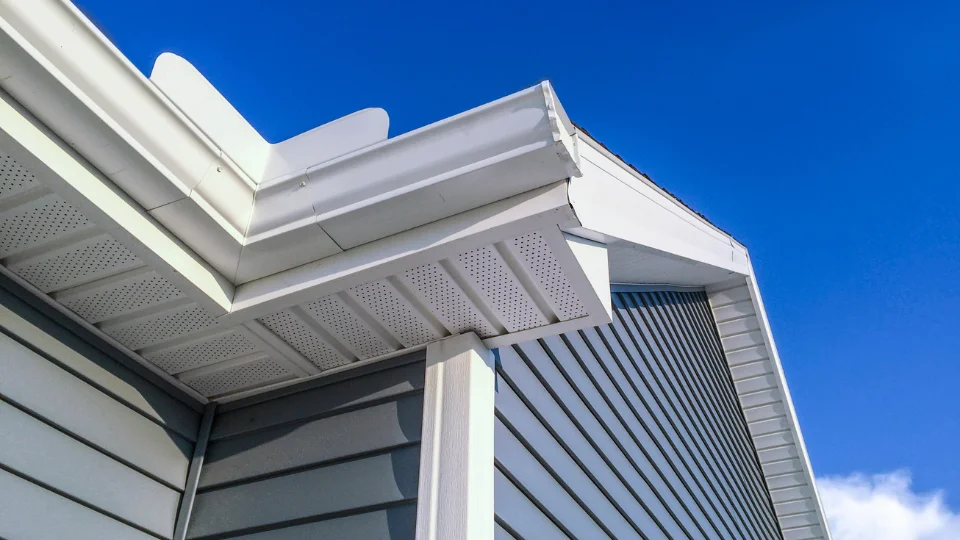
ALP Roofing’s Approach to Gutter Installation
At ALP Roofing, we take pride in our attention to detail and professional approach. Every gutter installation project we take on starts with a consultation and ends with a system that’s built to perform.
Here’s what you can expect when working with our team:
- A detailed assessment of your roof and drainage needs
- Tailored recommendations for gutter size and material
- Custom-cut seamless gutters for a precise fit
- Correct hanger spacing and slope for reliable flow
- Clean, respectful work sites and professional communication
We also offer online quote requests so you can start your project when it’s convenient for you.
Questions to Ask Before Hiring a Gutter Installer
If you’re evaluating contractors for your own gutter installation, here are a few helpful questions to ask:
- Are you licensed and insured for exterior work in Maryland?
- Do you use seamless gutters or pre-cut sections?
- How do you calculate slope and downspout placement?
- What kind of materials do you recommend and why?
- Will you inspect my fascia and roof edge before installing?
The answers can tell you a lot about a contractor’s professionalism and approach.
Let’s Get Your Gutter System Working Right
Maryland weather can be tough on homes, but with the right gutter system in place, you can protect your roof, siding, and foundation from unnecessary damage. Whether you’re noticing sagging gutters, water pooling near your home, or simply want to upgrade to a more reliable system, the team at ALP Roofing is here to help.
We serve homeowners across Harford and Baltimore counties with reliable gutter installation services, always with the same commitment to honest work and strong results.
Request your free estimate today by calling (410) 600-ROOF or filling out our contact form. We’ll take the time to get it done right.
Gutter Installation FAQs
How do I know if I need new gutters?
If your gutters are sagging, leaking, or pulling away from the house—or if you notice water pooling near your foundation—it may be time for a full replacement.
What’s the difference between seamless and sectional gutters?
Seamless gutters are custom-made on-site to fit your home, minimizing joints and reducing the chance of leaks. Sectional gutters come in pre-cut lengths and are more likely to separate over time.
How long does gutter installation take?
Most residential gutter installations can be completed in a single day, depending on the size of your home and whether repairs to the fascia or soffit are needed.
How to install gutter guards?
Gutter guards are fitted over the top of your gutters to block leaves and debris. Some clip on, while others are fastened in place. For best results, professional installation is recommended to match the right guard to your system.

Brenden Ring is the dedicated owner of ALP Roofing, a family-owned and operated company specializing in roofing, siding, and gutters in Fallston, Maryland. With a commitment to excellence and customer satisfaction, Brenden leads his team in delivering top-notch services to homeowners in Harford and Baltimore counties.
Beyond his professional endeavors, Brenden is an avid runner. He cherishes quality time with his wife and three children, and has a keen interest in both classic and modern cars. Embracing a healthy, active lifestyle, Brenden exemplifies dedication both in his personal passions and professional commitments.