

As fall arrives in Maryland, a surprising number of homeowners forget about one of their house’s most important systems: the rain gutters and downspouts. These components play a vital role in directing water away from your home. They help protect your roof, foundation, and landscaping. At ALP Roofing, we’ve seen firsthand how neglected gutters lead to bigger problems down the line. That’s why we created this guide to help you assess the condition of your rain gutters and downspouts, spot common issues, and prepare for the wet season ahead.
Signs Your Rain Gutters and Downspouts Need Attention
1. Overflowing Water During Rainstorms
If you notice water spilling over the edges of your gutters, instead of flowing through to the downspouts, that’s a clear sign something’s blocking them or they were never pitched correctly.
2. Debris Accumulation or Sagging Gutters
Leaves, twigs, and pine needles often collect in fall. Over time, the added weight from debris can cause gutters to sag or pull away from the fascia board. This can lead to separation or misalignment, reducing effectiveness.
3. Water Stains or Damage Along the Siding or Foundation
When gutters aren’t removing water effectively, runoff can streak or damage siding and pool near your foundation. This increases the risk of cracks or basement seepage.
4. Slow Drainage or Gurgling Noises
Water that doesn’t drain smoothly, and instead sits for a moment or makes odd noises, can indicate partial blockages in your gutter system or downspouts.
Common Mistakes in Fall Preparation
Viewing Gutters as Optional
Some homeowners view gutters as a minor feature, but in the fall, they serve as your home’s first line of defense against water-related issues.
Delaying Cleaning Until Winter
Waiting until snow or ice arrives can lead to trouble. Clogged gutters in cold weather can freeze, forming ice dams that push water back under the shingles or crack gutters during freeze-thaw cycles.
Neglecting to Flush Downspouts
Even if gutters look clean, small debris often remains and blocks water flow. Flushing downspouts with a hose confirms that water can move freely through the entire system.
Your Fall Preparation Plan for Rain Gutters and Downspouts:
1. Inspect and Clean Thoroughly
Clear out debris once most of the leaves have fallen. Rinse with a hose to remove small particles and check for uninterrupted flow.
2. Check Pitch and Attachment
Gutters should slope toward the downspouts, roughly a quarter inch for every 10 feet. Also check that they are securely attached. Loose brackets or downhill pooling indicate a problem.
3. Examine for Leaks and Damage
Look closely for cracks, rust, or small separations between gutter sections. Moisture in winter can make small issues worse, so fall is the time to catch them early.
4. Confirm Downspout Exits
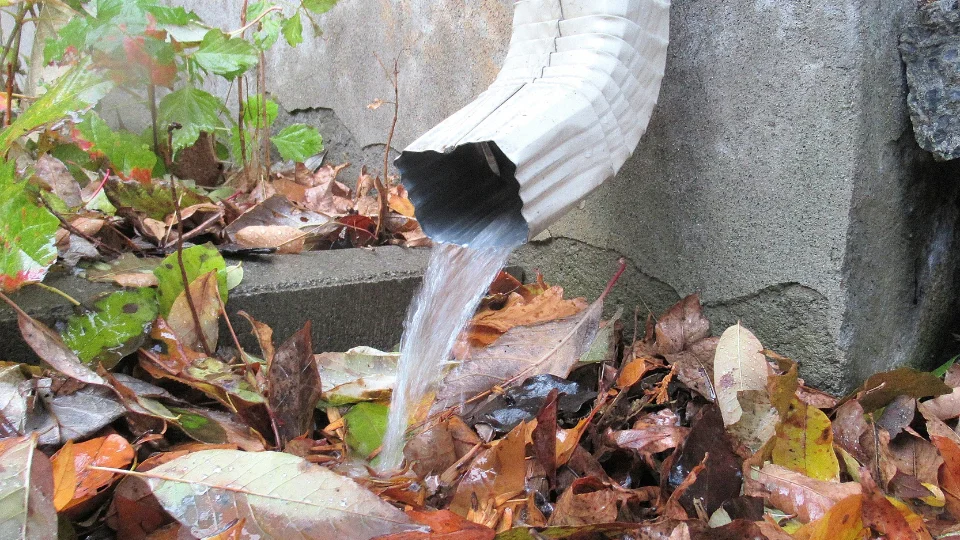
Water should exit at least four to six feet from your foundation. This may require splash blocks or drain extensions to protect your home’s base.
5. Consider Gutter Protection
If your home is surrounded by trees, gutter guards may help prevent constant clogs. While no system is maintenance-free, guards can reduce the frequency of cleaning needed.
Why Professional Inspection Helps
While many homeowners can handle basic cleaning, a professional inspection offers benefits that go beyond debris removal. Trained crews can identify hidden issues like sagging sections, misaligned hangers, and signs of damage along the fascia or roofline.
Professionals also have the right tools and experience to work safely at height, eliminating the risk of ladder-related accidents. At ALP Roofing, our team performs full-service inspections that include flushing the system, identifying trouble spots, and providing expert recommendations tailored to your home.
We also use drone technology for inspections when needed, allowing us to assess difficult-to-reach areas without stepping on the roof, giving homeowners an accurate, damage-free view of their system’s condition.
Seasonal Fall Checklist for Rain Gutters and Downspouts
This checklist reflects what we follow on the job to help our clients prepare for Maryland’s wetter seasons:
- Wait until most leaves have fallen, then clean out debris.
- Flush downspouts with a hose to confirm proper drainage.
- Check that gutters slope correctly and are tightly secured.
- Look for cracks, holes, or rust that may need repair.
- Confirm water flows at least four to six feet from your home’s foundation.
- Evaluate whether gutter guards are necessary based on nearby trees.
- Schedule a professional inspection if anything seems off.
Don’t Let Fall Turn into a Gutter Problem This Winter
Taking care of your rain gutters and downspouts before the cold weather hits can help you avoid water damage, ice buildup, and expensive repairs later on. Overflowing gutters and poorly placed downspouts are some of the most common reasons homeowners deal with basement leaks and damaged siding after a storm. While basic cleaning can help, full inspections and system repairs are best left to professionals who know what to look for and how to fix it right.
Get Ahead of the Season with Help from ALP Roofing
If you’re unsure whether your gutters are ready for fall and winter, our team is here to help. Contact ALP Roofing today or request a free inspection. We’ll assess your system, provide honest recommendations, and help you protect your home before the first storm arrives.
FAQs
How do you clean rain gutters safely?
Use a sturdy ladder on level ground, wear gloves, and remove debris by hand or with a scoop. Rinse with a garden hose to check for clogs. For safety and efficiency, professional cleaning is often recommended.
Are rain gutters really necessary for homes?
Yes, rain gutters direct water away from your home’s foundation, siding, and roof. Without them, rainwater can cause erosion, basement leaks, and structural damage.
What is a downspout and what does it do?
A downspout is the vertical pipe connected to your gutters. It channels rainwater from the roof to the ground or drainage system, helping prevent water damage to your home.
How often should rain gutters and downspouts be cleaned?
Most homes need gutter and downspout cleaning at least twice a year, typically in the spring and fall. Heavily wooded areas may require more frequent maintenance.

Brenden Ring is the dedicated owner of ALP Roofing, a family-owned and operated company specializing in roofing, siding, and gutters in Fallston, Maryland. With a commitment to excellence and customer satisfaction, Brenden leads his team in delivering top-notch services to homeowners in Harford and Baltimore counties.
Beyond his professional endeavors, Brenden is an avid runner. He cherishes quality time with his wife and three children, and has a keen interest in both classic and modern cars. Embracing a healthy, active lifestyle, Brenden exemplifies dedication both in his personal passions and professional commitments.