
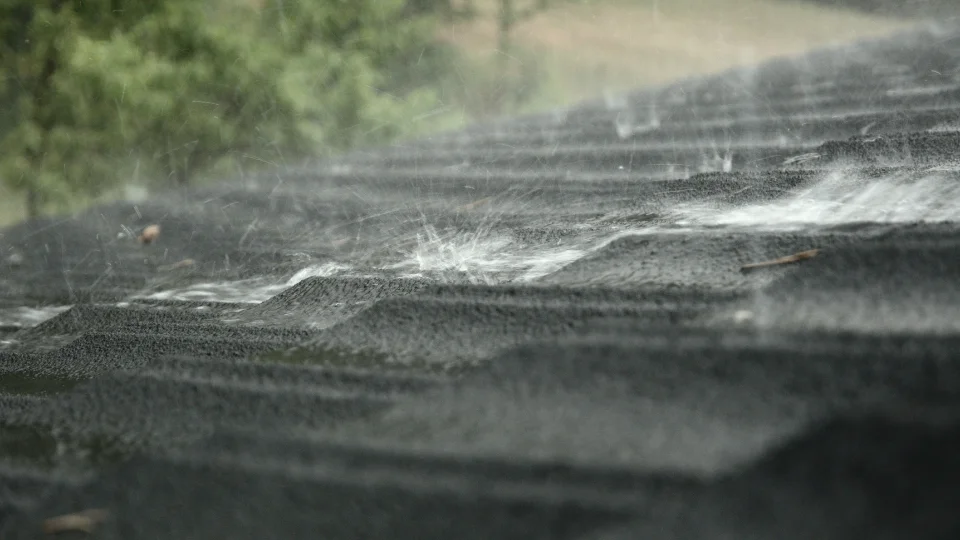
Maryland homeowners are no strangers to unpredictable weather. From sudden summer downpours to early spring hailstorms, your roof takes a lot of impact throughout the year. One of the most common and costly issues we see during storm season is hail damage to roof surfaces — and unfortunately, it’s not always visible from the ground.
At ALP Roofing, we often receive calls from homeowners unsure if the hail they heard the night before actually caused damage. The truth is, by the time you see signs inside your home, the damage to your roof may already be extensive.
In this article, we’ll explain how hail impacts a roof, when to schedule an inspection, and how to handle repairs the right way.
How Hail Affects Maryland Roofs
Not all hailstorms cause damage, but even a brief storm with small hailstones can lead to roofing issues depending on wind speed, roof slope, roofing material, and the age of your roof. When we talk about hail damage to roof surfaces, we’re usually referring to the effect of small, dense ice pellets hitting your shingles or metal roofing at high velocity.
Over time, this can lead to:
- Cracked or dented shingles
- Granule loss on asphalt shingles
- Bruised or weakened shingle layers
- Damaged flashing or exposed nails
- Leaks that develop weeks or months after the storm
Because Maryland sees a mix of hail sizes — often between 0.5 and 1.5 inches in diameter — it’s not always clear whether a storm “was bad enough” to damage your roof. That’s why having your roof inspected promptly after a storm is often the smartest first step.
Signs of Hail Damage to Roof Surfaces
Some signs of hail damage are more obvious than others. After a storm, you might notice issues like:
- Loose or missing shingles
- Small indentations or “dings” in metal flashing
- Shingle granules collecting in your gutters
- Water stains on your ceiling or walls
- Pieces of shingles around your yard
However, some damage may only be visible once you get up close — or onto the roof itself. That’s where we step in. ALP Roofing offers post-storm assessments using a combination of ground-level inspection and drone technology, depending on roof pitch and layout. Our team documents damage thoroughly to help homeowners understand the next steps.
When to Call for a Roof Inspection After a Hailstorm
We recommend calling a professional roofing contractor shortly after a storm, even if you don’t see immediate issues. Hidden hail damage to roof surfaces can weaken your roof’s ability to protect your home, eventually leading to leaks and structural problems.
Here’s when you should schedule a roof inspection:
- Your area experienced hail during a recent storm (confirmed by neighbors or local alerts)
- You notice small dents in gutters, downspouts, or siding — a common indicator of hail impact
- There are granules collecting in your gutters
- You find debris or roofing material around your property
- Your home has an older roof (10+ years), which is more vulnerable to hail impact
If you’re unsure whether your area was affected, ALP Roofing tracks local storm activity and can often confirm whether a hail-producing storm moved through your zip code.
Why Prompt Repairs Matter
Delaying roof repairs after hail damage can lead to much larger problems later. What starts as a few bruised shingles can allow water to seep under the roofing layers, eventually rotting decking, damaging insulation, or causing mold in the attic.
In some cases, what looks like cosmetic damage may weaken the roof’s protective surface. We’ve worked with homeowners across Harford and Baltimore counties who didn’t realize how much damage had occurred until water started appearing inside their home.
By calling a professional early, you get peace of mind and a clearer picture of what’s needed — whether that’s a minor repair or a more extensive replacement.
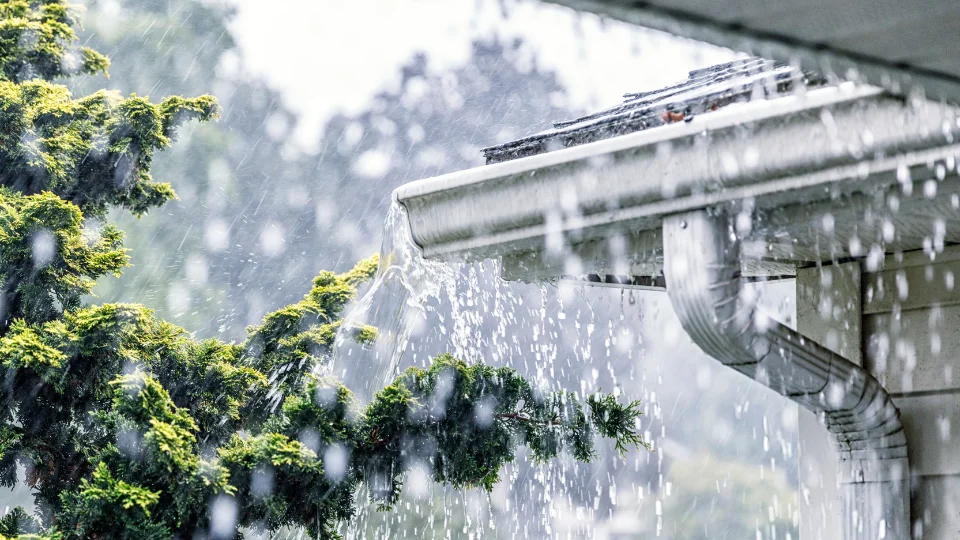
What Happens During a Hail Damage Roof Inspection
When you schedule an inspection with ALP Roofing, here’s what you can expect:
1. Initial Consultation
We’ll start with a brief conversation about what you noticed and when the storm occurred. If possible, we’ll confirm storm activity through weather databases or local hail maps.
2. On-Site Inspection or Drone Assessment
Our trained technicians will examine your roof, either from the surface or using drone imaging if access is difficult. We look for dents, granule loss, lifted shingles, and damage to flashing and vents.
3. Photo Documentation
We document all visible hail damage with photos. If you’re filing an insurance claim, this documentation is essential for adjusters and can help streamline the process.
4. Written Report and Next Steps
After the inspection, we’ll walk you through our findings, show you the photos, and explain what needs to be done — whether it’s a targeted repair or full roof replacement.
How Insurance Handles Hail Damage to Roofs
Most homeowners’ insurance policies cover hail damage to roof structures, but the claims process can feel overwhelming. ALP Roofing has worked with numerous insurance carriers and adjusters across Maryland. In some cases, the insurance company sends their own inspector; in others, they rely on our detailed inspection and report to determine coverage.
We help homeowners by:
- Meeting on-site with the insurance adjuster (if requested)
- Providing clear documentation and repair estimates
- Communicating directly with your insurance representative when needed
If you’re not sure whether the damage qualifies for a claim, we can help you understand what’s typically covered and how to start the process.
Common Questions About Hail Damage and Roof Repairs
Does all hail cause roof damage?
No — but even small hail can cause problems under the right conditions. It depends on wind speed, roof material, and the roof’s condition at the time of the storm.
How long do I have to file a hail damage claim?
Every insurance policy is different, but many require that claims be filed within 6–12 months of the storm date. That’s why it’s important to document potential damage early, even if you’re not ready to file a claim immediately.
Will I need a full roof replacement?
Not always. Sometimes hail damage is limited to one slope or a few shingles. In those cases, repairs may be enough. However, widespread impact usually requires full replacement — something we’ll help you evaluate carefully.
Local Experience You Can Rely On
We know that unexpected roof repairs can be stressful — especially when dealing with weather damage. That’s why our team works hard to make the process clear, fair, and low-pressure.
At ALP Roofing, we provide:
- Free post-storm roof inspections
- Drone-assisted assessments when needed
- Transparent repair recommendations — no guesswork
- Help navigating insurance claims
- Convenient online estimate requests
Our team is based right here in Fallston, and we’ve served neighborhoods across Harford and Baltimore counties with trusted roofing solutions for years.
Think Your Roof Was Damaged by Hail?
If you think your home may have been affected by recent storms, it’s better to have your roof checked sooner rather than later. Even if damage isn’t visible, our experienced team can assess your roof’s condition and help you avoid problems down the road.
Call ALP Roofing at (410) 600-ROOF or request a free inspection.
We’re here to help Maryland homeowners protect what matters most — one roof at a time.

Brenden Ring is the dedicated owner of ALP Roofing, a family-owned and operated company specializing in roofing, siding, and gutters in Fallston, Maryland. With a commitment to excellence and customer satisfaction, Brenden leads his team in delivering top-notch services to homeowners in Harford and Baltimore counties.
Beyond his professional endeavors, Brenden is an avid runner. He cherishes quality time with his wife and three children, and has a keen interest in both classic and modern cars. Embracing a healthy, active lifestyle, Brenden exemplifies dedication both in his personal passions and professional commitments.